The day our house
became a mansion.
My wife muffled her gasp with her hand. Tears filled her eyes.
The pediatric orthopedic doctor was clear. “Things will happen fast from here on out. They will move him to the medical center immediately.”
He wasn’t the attending doctor, but he called from his personal phone once the MRI results came in.
Our son, Seth, was nine months old when he was diagnosed with a desmoplastic infantile ganglioglioma—a brain tumor that took up half his skull.
Over the weeks that followed, our lives moved into the hospital. Seth underwent intensive brain surgery. We waited, prayed, and learned how to care for him through his recovery.
Then we came home.
All of us. Together.
After living in a hospital, our house seemed a mansion.
We sat on the floor of our enormous living room, watching them play, and cherishing every smile from both our boys.
We felt wealthy.
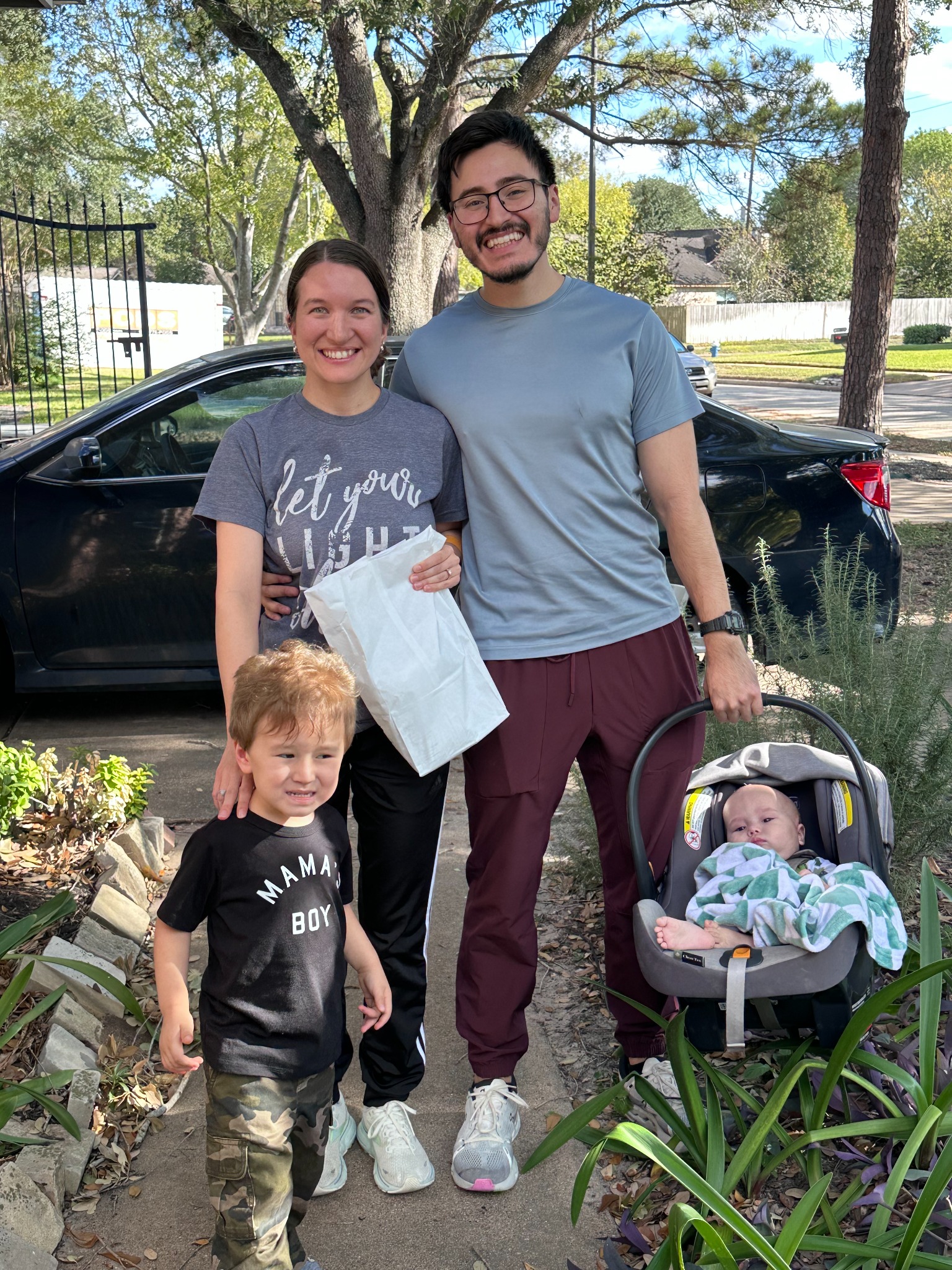
There are things I learned in that hospital that I want my children to know. Especially Seth. And, one day, his children.
Community was our lifeline.
We leaned on our church, family, and friends. Text messages of encouragement and prayer. Gift cards and care packages. Visits and looking after our older son while in the hospital.
We didn’t know the kind of future Seth would have, if he had one, and they gave us so much to be grateful for. In our suffering, we were not alone.
Gratitude helped keep
the darkness at bay.
I believed then, and I believe today, that God is good and He is faithful.
After three months of testing, we were grateful to find the tumor that was stopping Seth's entire right side from developing. Grateful to be near Texas Children’s in the Medical Center with some of the best neurosurgeons in the world. Grateful for every day with both our boys.
Gratitude didn’t make the uncertainty disappear. It grounded me in the chaos and helped me see what I could do next to serve my family.
I began asking “what?” instead of “why?”
I could've asked “Why now? Why our son?” endlessly and never reach a satisfying answer. So instead, I asked, “What should I do with this? God, what would you have me do?”
Asking “what can I do” helped me research our options, pay attention to Seth’s care, and thank the people beside us. They helped me remember we weren’t the only family in that hospital.
I met another family who had waited years for the surgery that would save their son’s life. Thank God, both our boys received the surgery they needed. Praying for their family helped me through those days too.